How students learn at Definity
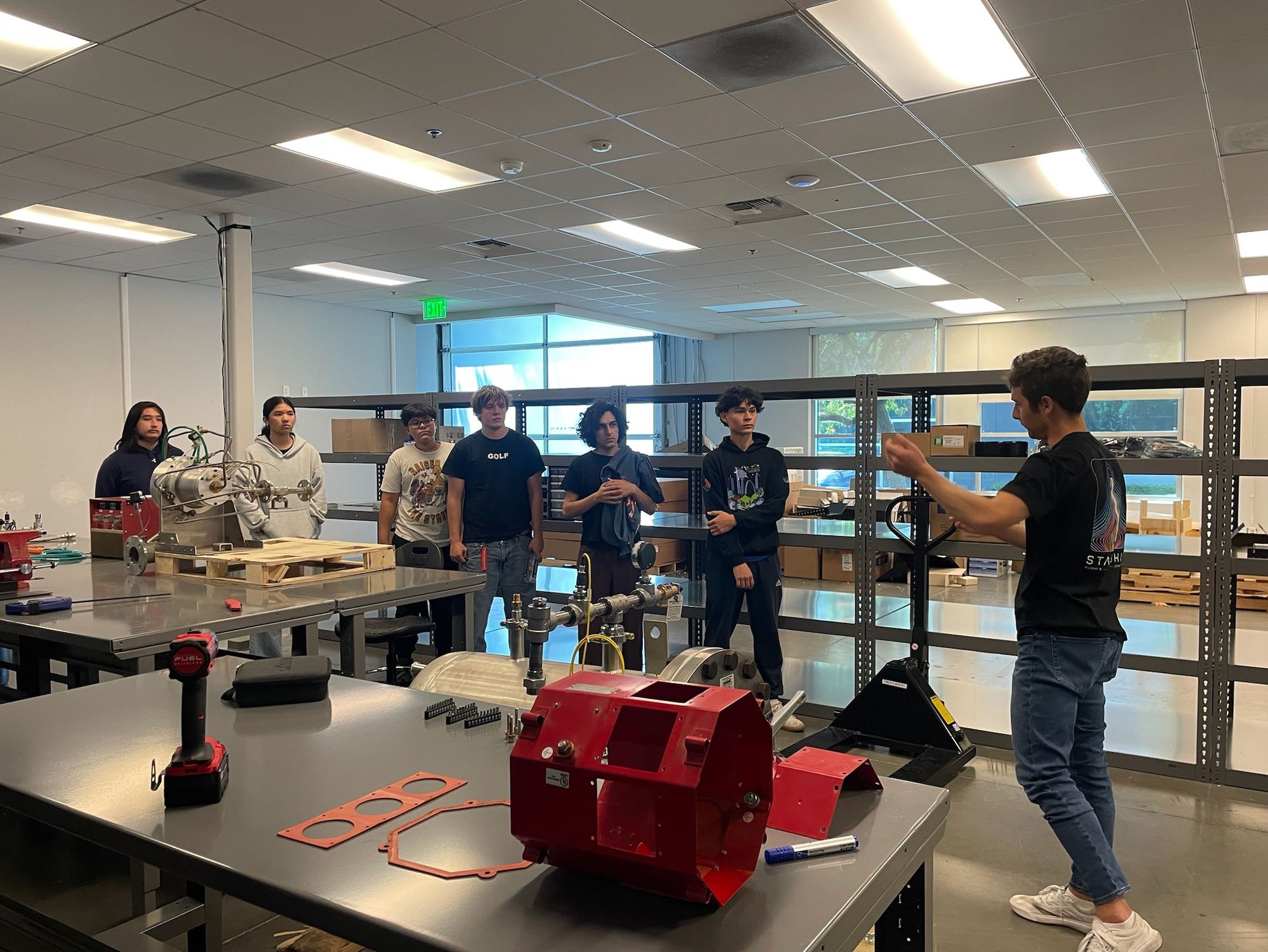
Our programs give students a difficult engineering challenge and responsibility for working toward it. Students begin doing the work before they know everything it requires. They build, test, find the gaps in their understanding, and learn what they need to make progress.
Where we started
We grew up on high school and university engineering teams. We designed hardware, raised money, managed budgets, and worked toward deadlines. We had people to turn to, but we were responsible for making the projects work.
That responsibility changed what we believed we could do. It helped us develop skills, work through setbacks, and discover the work we enjoyed. We started Definity to give more young people that experience.



Why start before you feel ready?
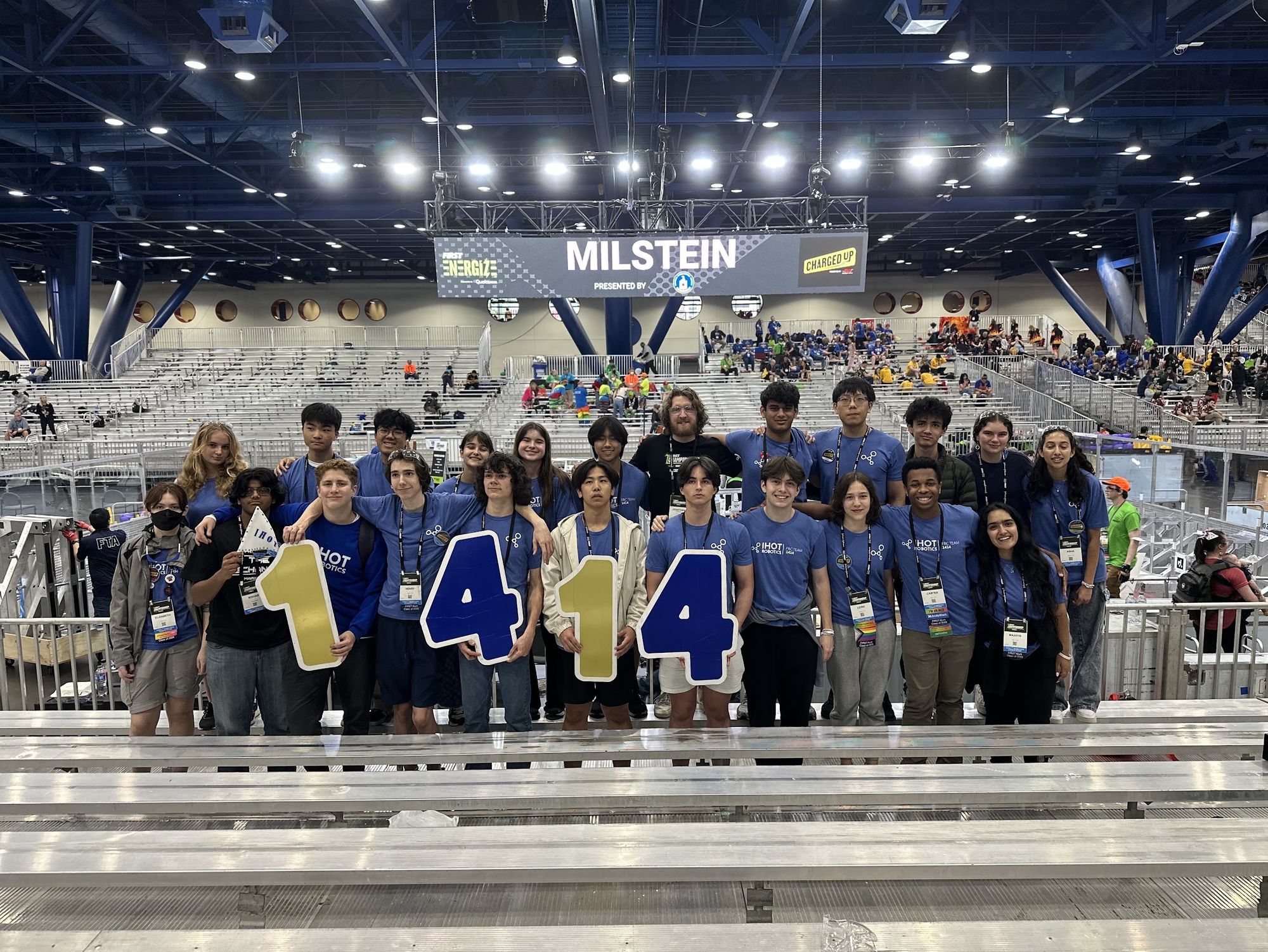
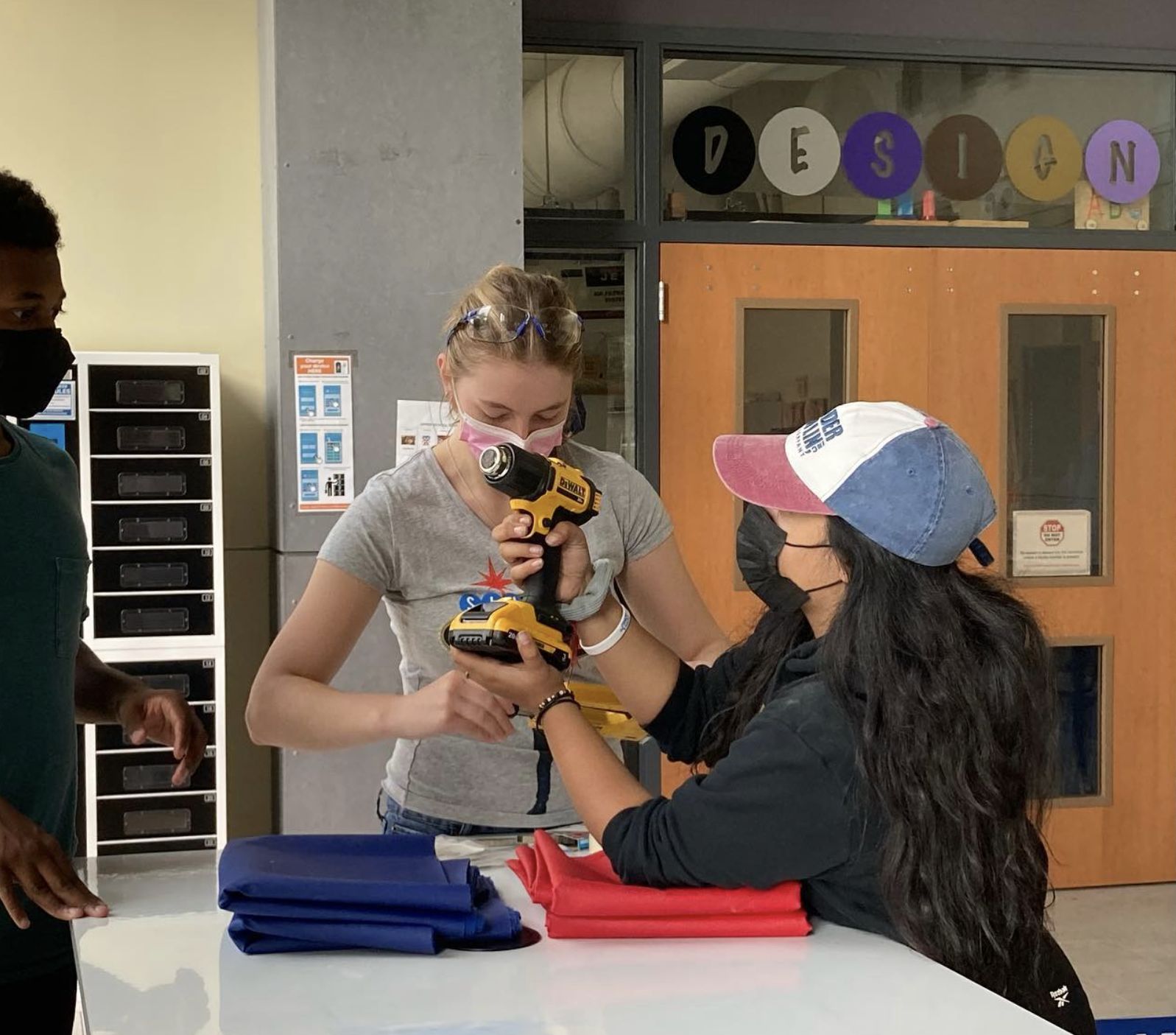
A difficult project gives you a reason to learn. You encounter a problem, look for useful information, and apply it to the work in front of you. If your first approach fails, you have to understand why and decide what to do next.
That is the habit we want students to develop: taking responsibility for their own learning and continuing when the answer isn’t obvious.
Students also take responsibility for the work around a build, such as managing parts, budgets, and team decisions. In the longer term, we want to bring this approach to other fields, including work in fundraising and communications.
Why Definity?
We want young people to discover what they enjoy and decide what they want to pursue. The name Definity reflects that goal.
We give students responsibility and expect them to learn what the work requires.
Build and revise.
Work toward the program’s engineering goal. Test your design, examine what went wrong, and use the results to improve it.
Learn to find answers.
Use documentation, tutorials, and other resources. Practice deciding which information is useful and applying it to a specific problem.
Work with people who push your thinking.
In the high school programs, mentors ask questions, challenge assumptions, and help you identify the next step. You do the research and project work, and learn to explain your decisions.
University teams in the Lander Challenge carry out their own builds. Definity organizes the competition, safety reviews, and prizes.
Why engineering?
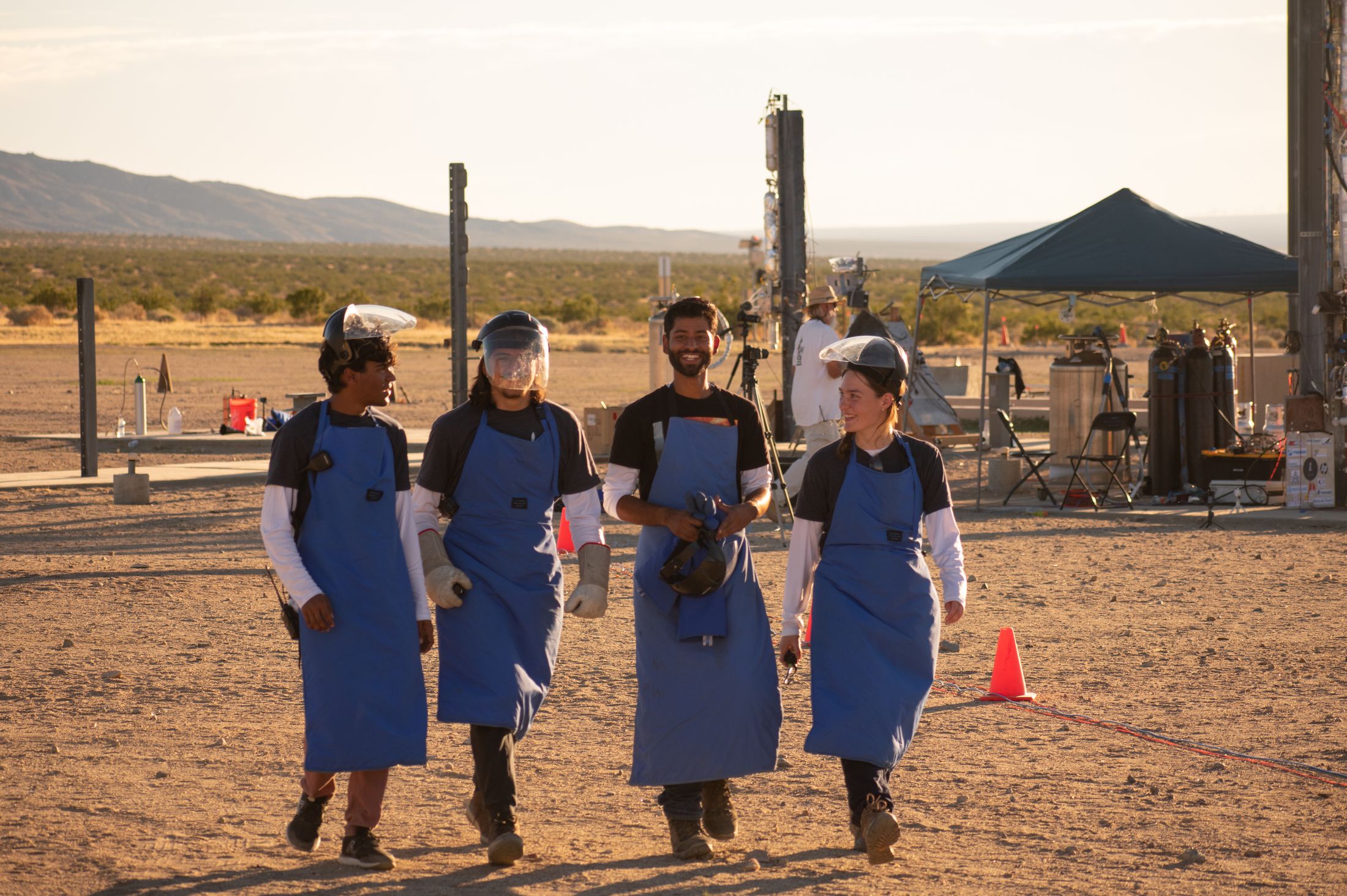
You can test a design and see what it does. When it fails, you have something specific to investigate. The next attempt shows whether your changes helped. That connection between learning and results makes engineering a useful place to start.
Our long-term goal is to open schools where students learn through this kind of work. Engineering is our starting point; we hope to bring the approach to other fields as Definity grows.